Mama Time!
April 16, 2021
7 Days of Inspiring Meals with Meaning?
April 18, 2021
The consumption of edibles, baked goods or candies that contain marijuana is at an all-time high among teens, making marijuana use more popular than tobacco. The potency of THC (tetrahydrocannabinol, the chemical responsible for activating the psychological effects of a high) in edibles is much more intense than a regular marijuana high, heightening the risks and consequences of edible use.
Kids and teens today are enticed by marijuana because it offers an easy way to get high and seems less harmful than other substances. But what teens don’t always consider are the health concerns associated with marijuana use and the possibility of becoming addicted.
Marijuana use can lead to poor school performance, memory problems, increased anger, impaired judgment, and risky sexual behavior. It can also lead to the use of other drugs or alcohol. Edible use is dangerous because it’s difficult to know in advance how it will affect the user since each person’s size or weight varies. The unknowns and risks outweigh the potential for a “good time.”
Common signs of marijuana use in teens include increased irritability, depression and anxiety, loss of interest in activities, lack of motivation, spending time with peers who use marijuana, memory trouble, and unusual spending behaviors.
Parents can help their teens avoid marijuana use by simply opening up the conversation. Ask your child about their thoughts on marijuana use. It’s important to listen and give them your full attention. The goal isn’t to scare them, but to make them aware of the impact marijuana use can have on their brains, which are still developing into their 20s.
If applicable, share your own experiences with marijuana and be honest about the peer pressure behind marijuana use. Parents need to lead by example and have no tolerance for any drug use. Overall, communication is key. You can help to provide a safe, fun environment for your children without the need to use substances.
Compiled by Paige Vannarath
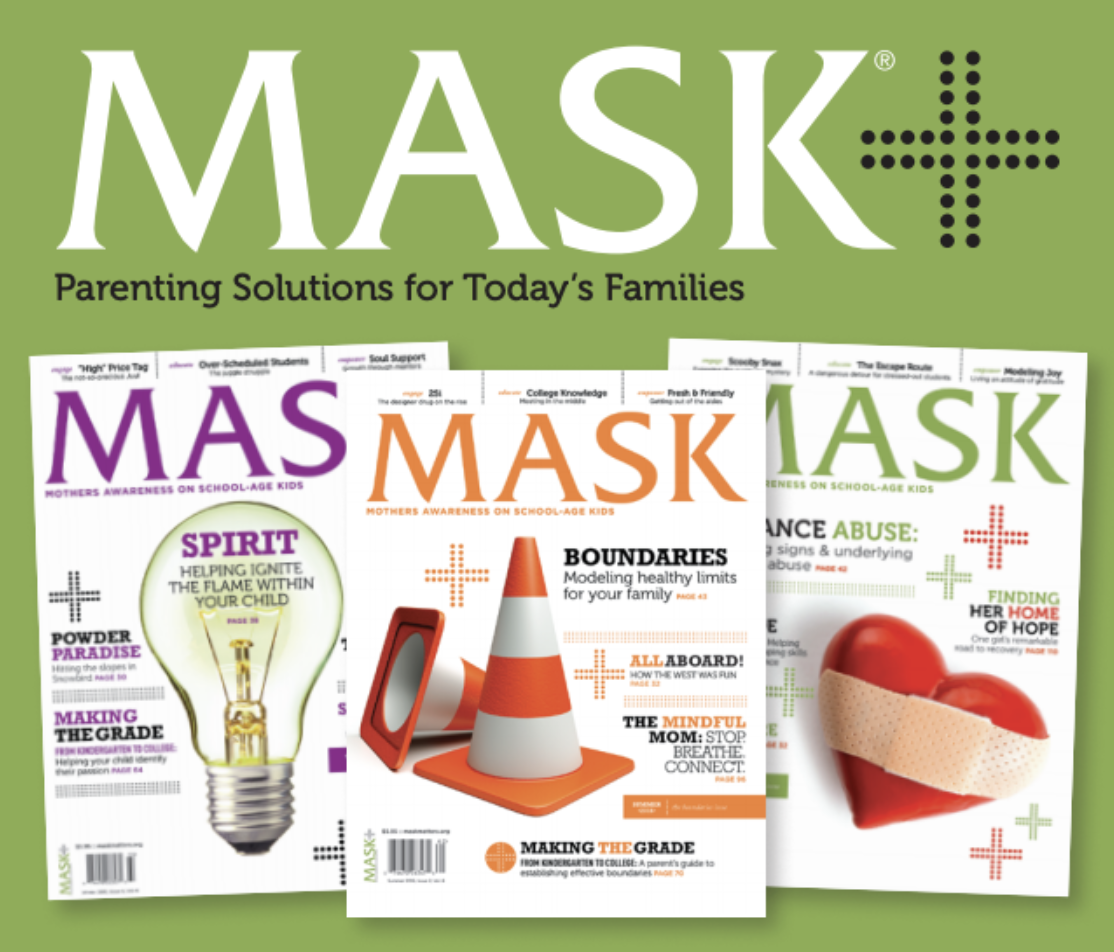
MASK the Parenting Magazine a quarterly publication providing solutions for Today’s Families.
The parenting manual offering solutions to the modern-day challenges families face. From Pre-K
through College stay up to date on the modern day issues families face.
Are you up to date on the issues your child is facing?
MASK Mothers Awareness on School-age Kids offers parenting solutions for today’s families. MASK tackles important topics – from drugs and alcohol to bullying and Internet safety -and gives students, parents and the community the knowledge and tools to manage these potential challenges.
Subscribe today! https://www.tools4teaching.com/product/mask-the-magazine/
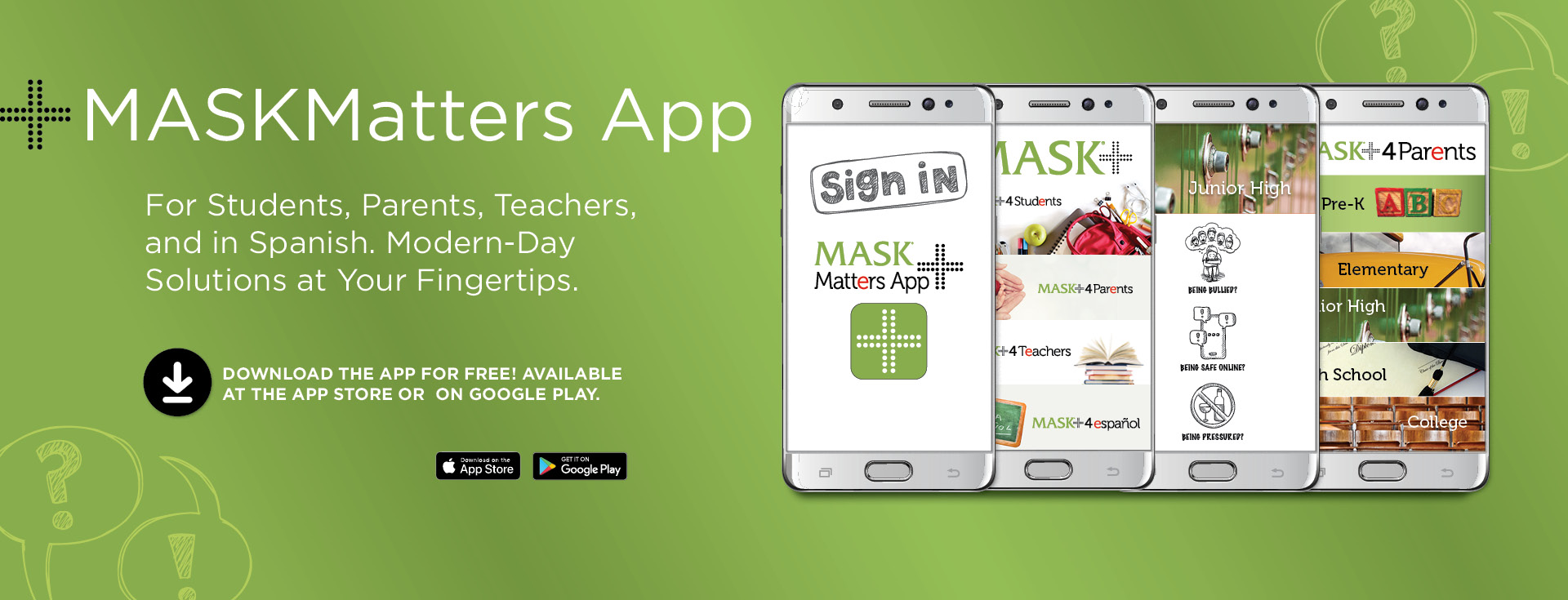
Download and share the MASKmatters app now! Made for children, parents, teachers and in Spanish.
Have solutions at your fingertips
Available free on apple and google play links below
Apple https://apps.apple.com/us/app/maskmatters/id1482305692
Google Play
https://play.google.com/store/apps/details?id=com.maskmatters.maskmattersapp&hl=en_US&gl=US