Tools 4 Teaching LogoTools 4 Teaching LogoTools 4 Teaching LogoTools 4 Teaching Logo
  • HOME
  • ONLINE CURRICULUM
  • TOOLS 4 TEACHERS
    • 4 PRE-K
    • 4 ELEMENTARY YEARS
    • 4 JUNIOR HIGH YEARS
    • 4 HIGH SCHOOL YEARS
    • 4 COLLEGE YEARS
    • CHARTS & ACTIVITES
    • MAGAZINES
  • TRENDING TOPICS
    • ALCOHOL
    • BULLYING
      • ELEMENTARY BULLYING
      • JUNIOR HIGH BULLYING
      • HIGH SCHOOL BULLYING
    • DEPRESSION
    • DRUG TRENDS
    • EATING DISORDERS
    • PRESCRIPTION DRUGS
    • SAFE DATING
    • SELF ESTEEM
    • SMOKING
    • TECHNOLOGY SAFETY
    • VAPING
  • TOOLS 4 PARENTING
    • PARENTING MAGAZINES
    • CHARTS & CONTRACTS
    • BLOG
    • UNIVERSIDAD PARA PADRES
  • TOOLS 4 STUDENTS
    • TOPICS TO HELP 4 ELEMENTARY AGES
    • TOPICS TO HELP 4 TEENS
    • TOPICS TO HELP 4 COLLEGE YEARS
✕
cyberbullies defeated
Cyberbullies Defeated
March 11, 2016
you are not alone
I Am Not Alone
March 25, 2016
Show all

Delaying The Sip

“I only get drunk on weekends, so what’s the big deal? It’s not like I’m addicted.”

Although addiction can strike anyone, some kids are at higher risk even before they take their first sip. A family history of alcoholism and certain environmental factors can increase a child’s risk of addiction. Such as divorce, physical or substance abuse at home, and social and academic problems. While parents can’t change their genetic makeup and many of the environmental factors, they can help delay their child’s exposure to harmful substances
If kids use any addictive substance—alcohol, drugs or tobacco—before the age of 18, they increase their risk of addiction to 1 in 4. According to a recent study from the National Center on Addiction and Substance Abuse (CASA) at Columbia University. Delaying their first use to the age of 21 or older, their risk of addiction drops to 1 in 25.
Today, 46 percent of U.S. high school students are using addictive substances. 1 in 3 meet the medical guidelines for addiction. As people move into the addiction cycle, they continue to drink despite the harmful consequences. Additionally, they develop increased tolerance, so they start to drink greater amounts of alcohol.
“If a kid is drinking to the point of passing out and drinking a half a case of beer three or four times a month, that’s pretty significant,” says Rosenker. Many people think they need to drink every day to be considered an alcoholic,. He says the biggest factors are how much alcohol they consume and what happens when they drink.
“Do they lose control, do they black out, do they do things under the influence that they normally wouldn’t do if they were sober? Have there been behavior changes over time?Those things are more telling than how much somebody uses.
By// Angela Ambrose

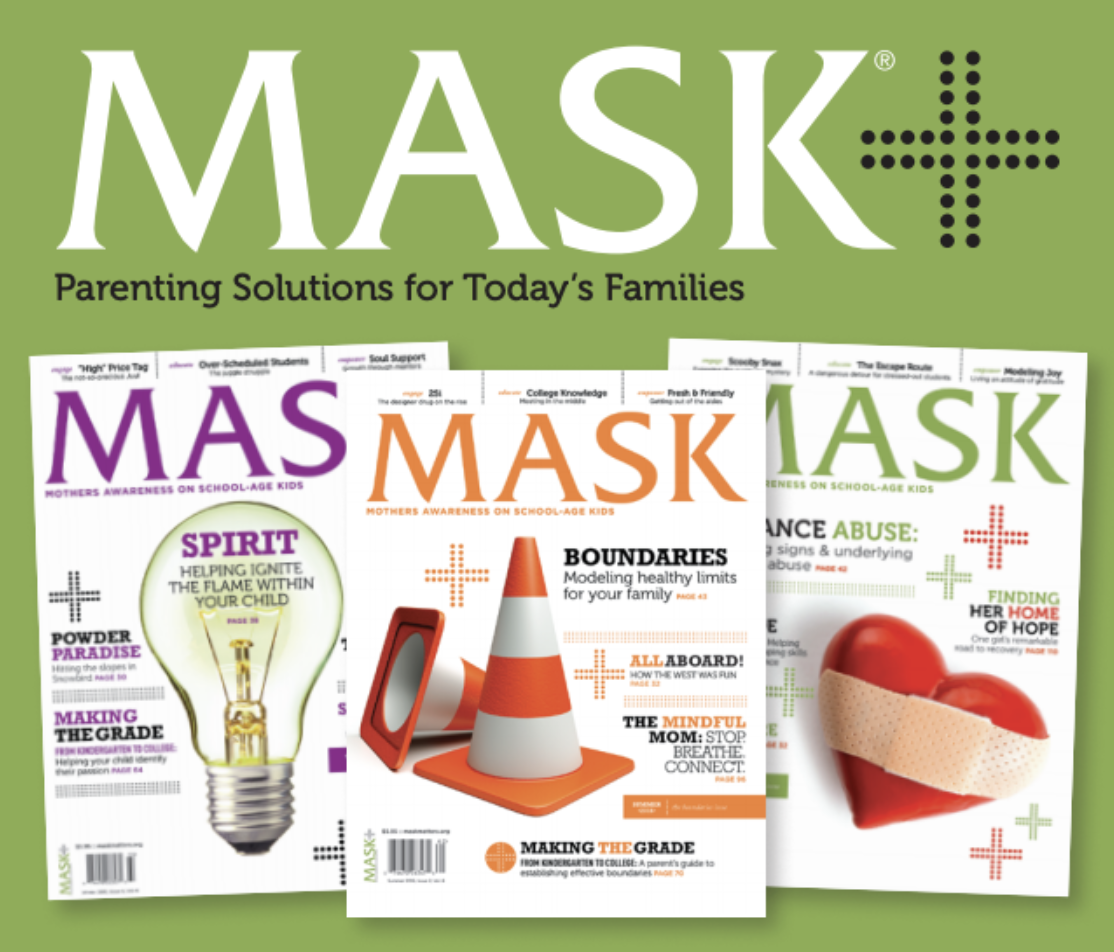
MASK the Parenting Magazine a quarterly publication providing solutions for Today’s Families.

The parenting manual offering solutions to the modern-day challenges families face. From Pre-K 

through College stay up to date on the modern day issues families face.

Are you up to date on the issues your child is facing?

MASK Mothers Awareness on School-age Kids offers parenting solutions for today’s families. MASK tackles important topics – from drugs and alcohol to bullying and Internet safety -and gives students, parents and the community the knowledge and tools to manage these potential challenges.


Subscribe today! https://www.tools4teaching.com/product/mask-the-magazine/
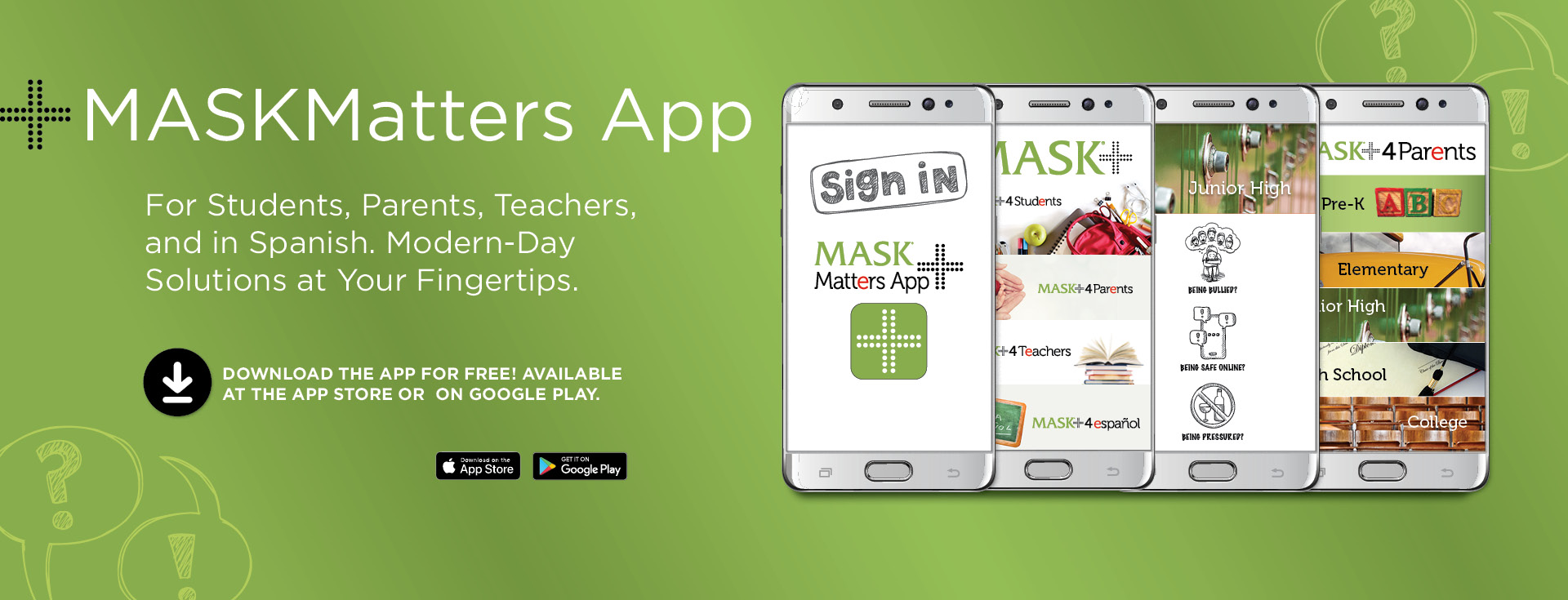
Download and share the MASKmatters app now! Made for children, parents, teachers and in Spanish.

Have solutions at your fingertips 

Available free on apple and google play links below
Apple https://apps.apple.com/us/app/maskmatters/id1482305692


Google Play 

https://play.google.com/store/apps/details?id=com.maskmatters.maskmattersapp&hl=en_US&gl=US

 

Share
1

Related posts

September 27, 2024

College Students and Underage Drinking


Read more
Educational Use & Disclaimer The information provided on this website is for general informational and educational purposes only. All content is offered in good faith; however, we make no representations or warranties of any kind, express or implied, about the accuracy, completeness, reliability, or suitability of the information. The use of any information contained on this site is strictly at your own risk. We shall not be held liable for any loss or damage incurred in connection with the use of this site or reliance on its content.
© 2025 | TOOLS 4 TEACHING | Professional website by: Xpleo Media